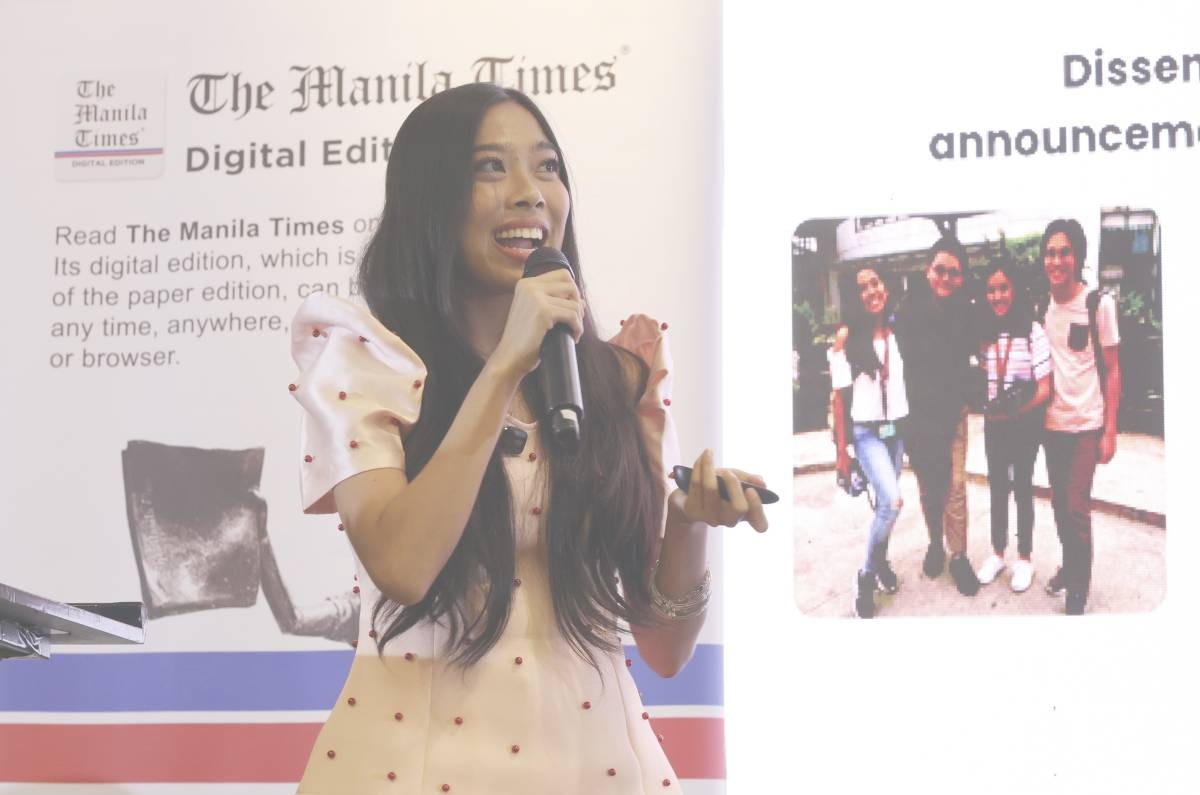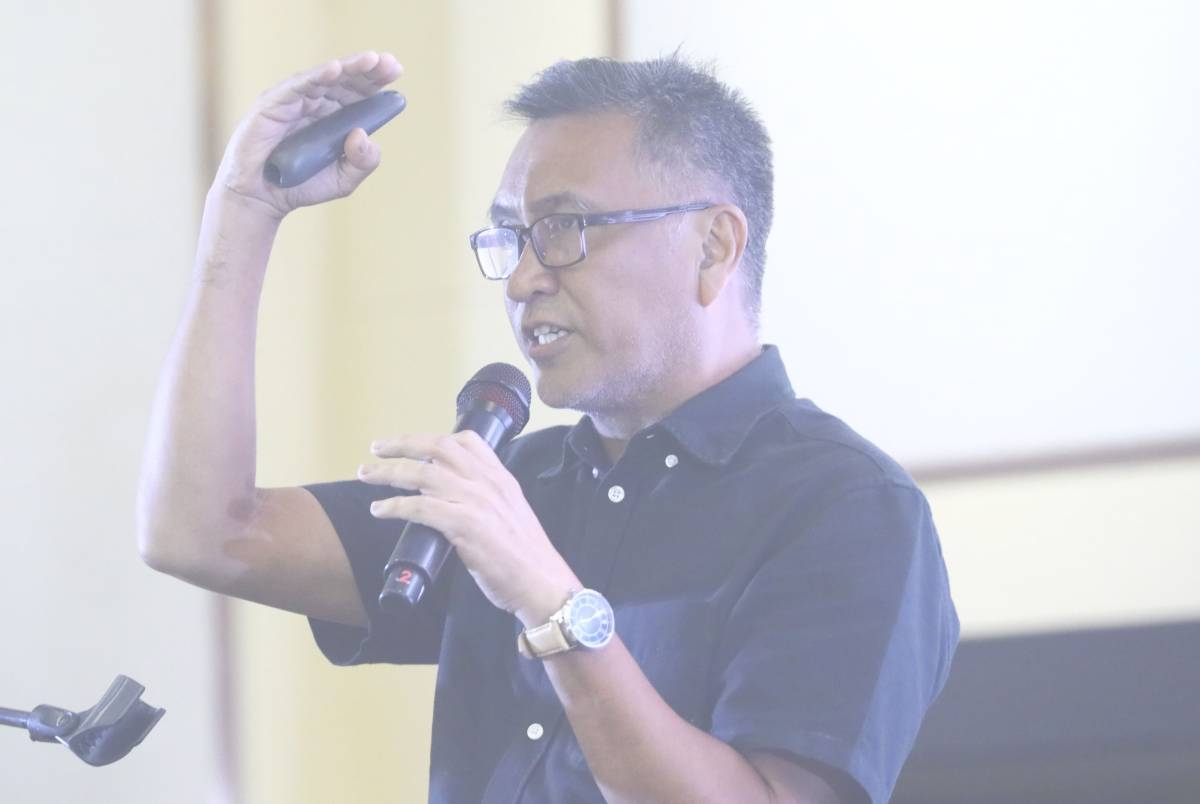









THE Manila Times Student Forum 2026, held on Aug. 20 at Winford Hotel, gave its guest speakers and the audience the chance to make sense of omnipresent technology such as AI that the Filipino youth are confronted with.
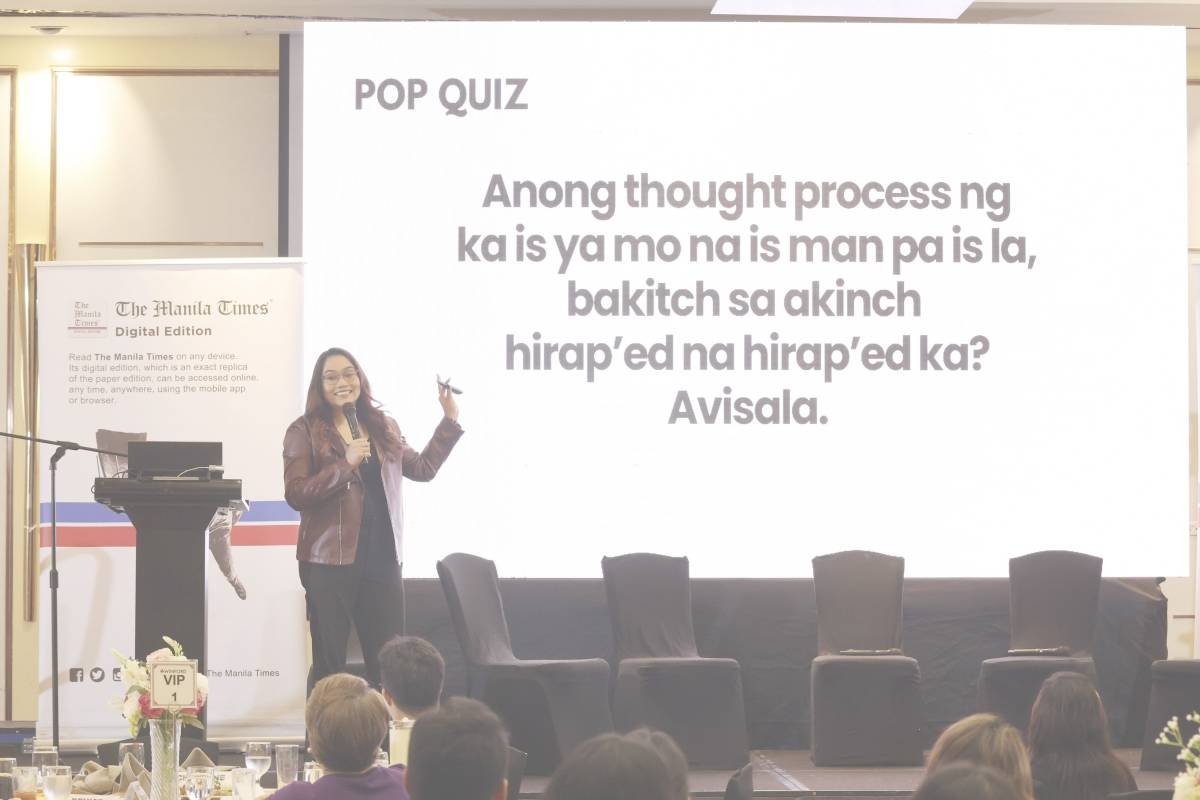
Anchored on the theme, “Protecting learners, empowering education,” the event had 10 resource persons. But the program had to skip the keynote address of Roger Masapol, assistant secretary for Governance and Operations of the Department of Education, who, on the same day, was summoned to a Senate hearing about the recent deadly shootings in Tacloban and Zamboanga City and the impact of digital platforms on children.
Nonetheless, the other nine guest speakers provided ample insights from the viewpoint of their respective work.
Angelo Tapales, undersecretary and executive director of the government agency Council for the Welfare of Children, said that while AI offers major benefits to education, it also poses growing risks to children, particularly from online sexual abuse, cyberbullying, privacy violations and overdependence on technology.
Even so, there are existing laws and DepEd policies providing safeguards, including anti-bullying measures, child protection committees, and school safety protocols, Tapales said.
New DepEd guidelines promote responsible, ethical and humancentered AI use while restricting applications that threaten children’s privacy or safety, such as facial recognition and social scoring.
The challenge, Tapales said, is ensuring that public and private schools properly implement these rules so students can benefit from AI without compromising their safety, privacy and criticalthinking skills.
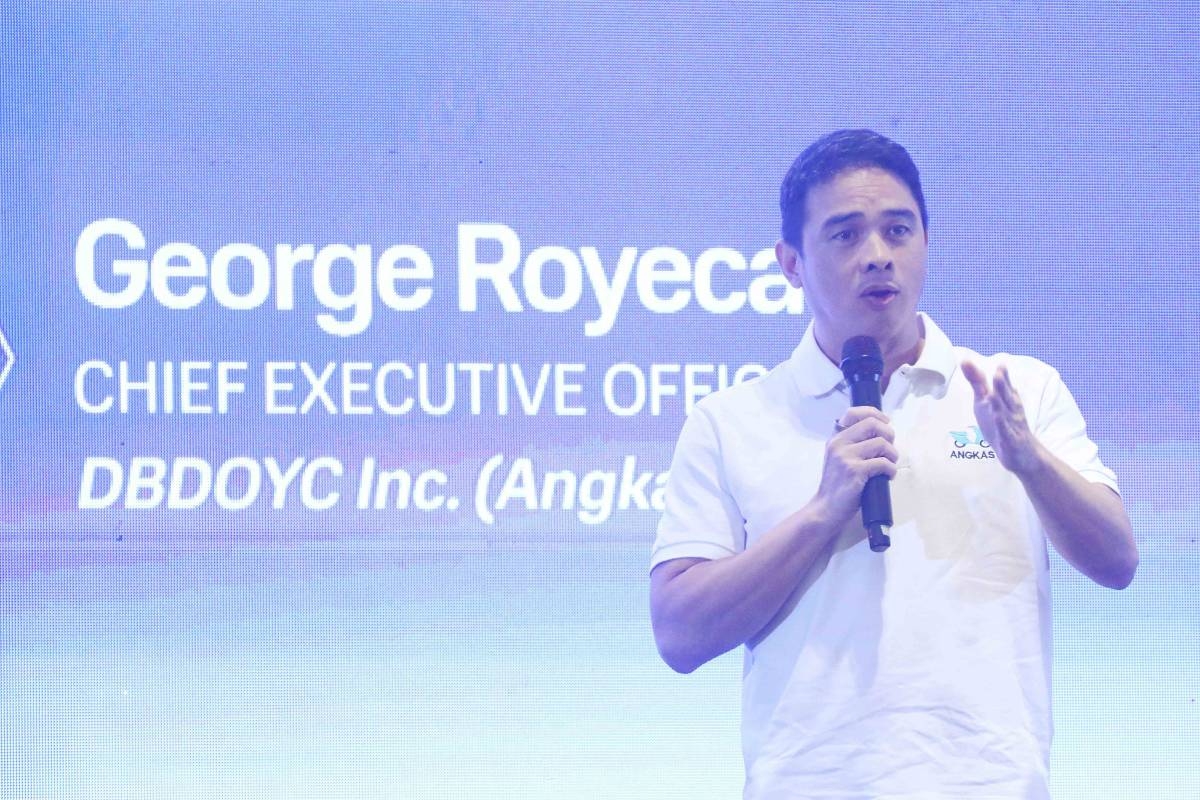
George Royeca, CEO of appbased motorcycle taxi Angkas, said that in his job, problems never disappear — they simply change as companies and people grow.
Successes should be celebrated briefly before tackling the next challenge, he pointed out, adding that he views the workplace as a school where employees can learn from mistakes and become better managers, entrepreneurs and leaders.
For him, entrepreneurship and public service should ultimately be about solving problems rather than pursuing wealth or recognition. Success stories represent only a small part of the entrepreneurial journey; most of it involves setbacks and difficult decisions. These challenges encourage creativity, build resilience, and help businesses solve problems for society.
Dr. Neil Patrick del Gallego, online game developer, associate professor and chairman of the Department of Software Technology, College of Computer Studies, De La Salle University, said AI should be used only for specific tasks and as a tool to support, rather than replace, a person’s own work.
When writing research papers, for example, he sometimes turns to AI when experiencing writer’s block or struggling with scientific notation. He may ask AI for suggestions on how to develop or continue a section, but uses the responses only as a reference for generating ideas.
He stressed that he does not copy and paste AI-generated content into his work. For him, a strong foundation in writing, research and the subject matter remains more important than relying on AI.
Compelling
Angel Redoble, chairman of the Philippine Institute of Cybersecurity Professionals, discussed a compelling topic. He warned that vulnerable children are being systematically groomed online through gaming platforms, social media and private digital communities.
Groomers are part of an online network that picks minors, gains their trust, isolates them from families, and gradually exposes them to coercion, self-harm and violence.
Redoble’s group believes recent school shootings and other violent incidents warrant investigation for possible links to such online networks, although these connections have not been conclusively established.
He urged stronger cooperation among parents, schools, technology platforms and law enforcement, emphasizing parental supervision, monitoring behavioral changes, and regulating children’s gadget and online gaming use.
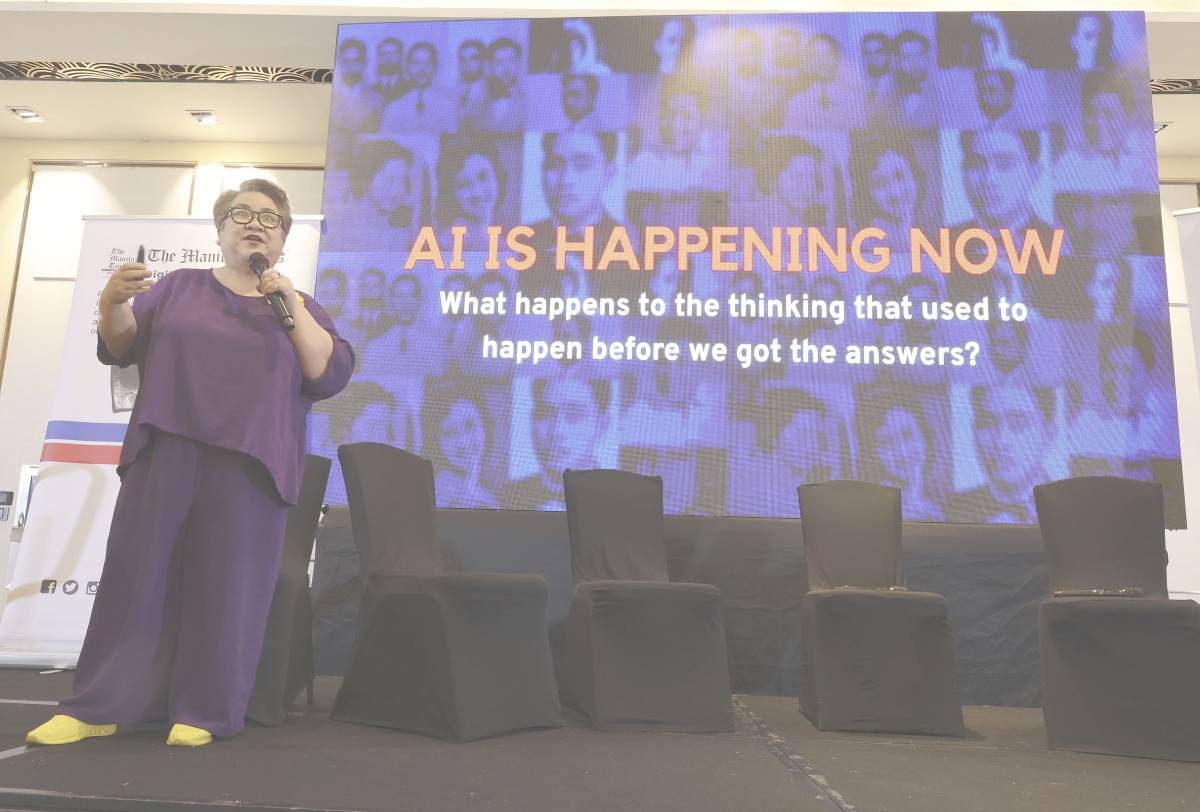
Mona Magno-Veluz, popularly known as genealogy and history content creator Mighty Magulang, said AI can improve efficiency but may weaken learning when students use it simply to obtain answers.
Citing a study of 23,000 Chinese students, Mighty Magulang said AI users recorded higher homework scores and completed assignments faster, but performed 20 percent worse in exams. She suggested that students should treat AI as a personal tutor that helps them understand concepts, rather than think for them.
Since AI can produce incorrect information, fabricated quotations and oversimplified narratives, users must verify sources, examine context and question its conclusions, Veluz said, pointing out that, ultimately, critical thinking and human judgment are essential. This is the time when you have to be judgmental, she emphasized.
Educational content creator Lyqa Maravilla, or Coach Lyqa to her followers online, said platforms like TikTok can make learning more accessible, particularly for people who face barriers to traditional educational resources.
However, producing credible educational material online is difficult because proper research takes time, production can be costly, and creators must generate enough material to compete with misinformation and low-quality content.
These challenges are becoming more important as AI systems draw from information available online.
Coach Lyqa urged educators and responsible creators to produce and share more reliable content, warning that useful knowledge can be overwhelmed or forgotten if credible voices fail to contribute enough accessible information online.
Christine Ico or KC Ico — the TikTok and Instagram personality who dispenses school tips, student advice and lifestyle content — said social media can make learning more accessible by offering young people content beyond entertainment.
Educational creators can help bridge gaps in traditional teaching by presenting lessons in relatable language and formats that capture students’ attention, she said.
But since young people learn and consume information differently today, creators must understand how to communicate effectively on digital platforms.
She also pointed out the importance of teaching basic research skills as misinformation and fake news proliferate online.
By showing students how to research and verify information independently, educational creators can promote critical thinking while helping protect young people from harmful or misleading online content, she said.
Jelina Alita Ombao, nutritionist-dietician, chef and culinary educator at Ajinomoto Philippines, likewise revealed something interesting.
She said MSG (monosodium glutamate) is produced from plant-based ingredients through fermentation and is generally recognized as safe by the US Food and Drug Administration.
Nutrition education should be grounded in science-based evidence, she said, noting that Ajinomoto promotes healthy and sustainable eating through programs that teach families and students about nutrition, food preparation and balanced diets.
She encouraged students to choose nutrient-rich foods, practice smart seasoning by limiting salt, eat balanced meals, and consume less nutritious foods in moderation.
She also urged them to factcheck nutrition claims and share reliable, science-based information with their families and peers.
For her part, Ma. Sheila Deblois, partner in audit services at Reyes Tacandong & Co., said students should develop the habit of questioning information generated by AI and social media by checking its accuracy, sources and completeness.
These habits will carry into their professional lives, where mistakes can have more serious consequences, including financial losses and reputational damage. While AI can help students learn faster and professionals analyze large amounts of information, it cannot assume responsibility for decisions.
She pointed out that, in auditing, technology can review millions of transactions, identify patterns and flag risks, but humans remain accountable for the final judgment. Ethics, critical thinking, professional responsibility and accountability must therefore remain firmly with people